Concrete Parking Lot Building in West Covina CA - a lot built for the traffic it carries
Is your lot cracked, patched and holding water? We build concrete lots on a packed base, sized for the cars you expect.
- Fully licensed and insured.
- Free estimates at your property.
- Expect a reply within 1 business day.
What goes into building a concrete parking lot in West Covina?
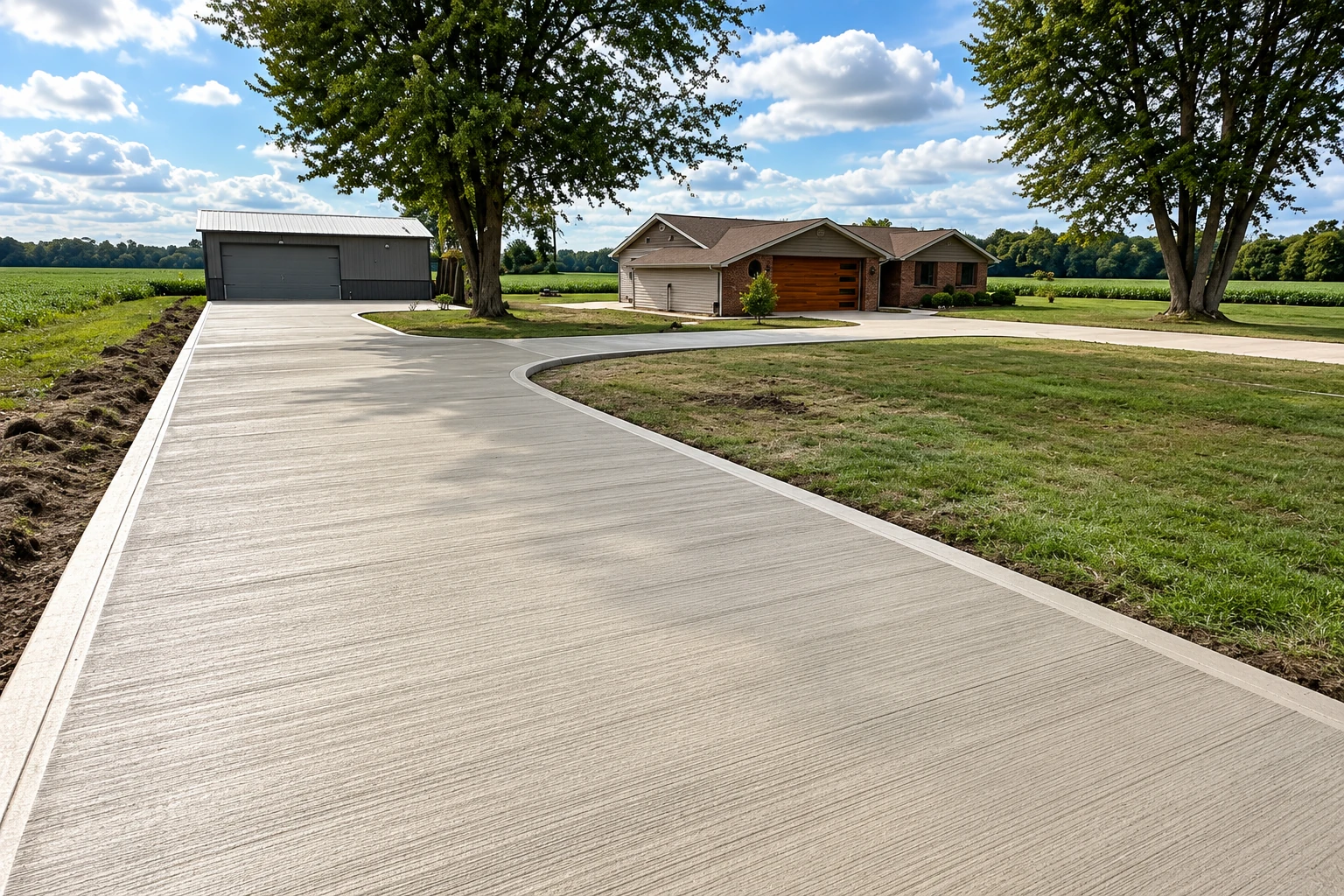
Building a concrete parking lot in West Covina means digging out the old surface, packing a solid base, then forming, pouring and finishing a concrete slab thick enough for the cars and trucks that will use it, and keeping the lot closed while it cures.
Most calls about a lot come from owners who are tired of patching old asphalt, or from someone adding parking to a building that has outgrown its dirt lot. The price moves with the size of the lot, how thick the slab has to be for your traffic, how much old surface and dirt has to come out and how much base goes back in. If part of the old lot is concrete, our concrete cutting work adds to the tear-out. The schedule turns on any city review and inspections, the dig-out and prep, and the days the lot stays closed while it cures, and you'll get your own figure in the written estimate after I've seen the site.
How do you know your parking lot is due for new concrete?
Patches on top of patches
If you're filling the same potholes and cracks every year, the surface has usually worn through and the base under it is starting to give. Each patch costs money and buys less time, and the rough spots turn into trip hazards for the people walking to your door.
Water sitting after rain
Puddles that come back in the same spots usually mean low places where the base has settled or a surface that was never sloped to shed water. Standing water soaks into what's underneath and softens it, so the damage keeps spreading out from those puddles.
Broken, sunken concrete slabs
On an older concrete lot, sections that have cracked across and dropped usually point to a base that was raked level instead of packed, or joints that were skipped. Broken edges catch tires and keep crumbling, and the longer they sit, the more slab ends up coming out.
How we build a concrete parking lot
I start by asking what kind of traffic the lot will carry, just cars or delivery trucks too, and how many cars you expect down the road, because the slab should be sized for the lot you'll grow into and not just the one you have today. Then we lay it out, dig down to firm ground and pack the subgrade, the dirt and base the slab sits on, because a base that's only raked level settles and takes the concrete down with it. We set the forms dead straight, check that water runs off the lot and away from your buildings, and place rebar, the steel that holds the slab together, wherever the design calls for it. We pour in the cooler part of the day so the top doesn't dry out weak and dusty, give it a broom finish so tires and shoes get some grip, and cut control joints, shallow grooves that give the slab a straight place to crack instead of a random one. My old foreman used to say a slab is only as good as what's under it, so if the budget gets tight, I'll trim the extras before I'll trim the base. Then we help you plan around the time the lot has to stay closed while it cures, so your tenants, staff or customers still have somewhere to park.
A lot usually comes with work around it. Light poles, block walls and carport posts sit on concrete footings, and we pour those as part of the same job so they line up with the layout. If the building next to the lot has a slab that has sunk or tilted, foundation raising can bring it back toward level before the new concrete goes in against it.
Get a free on-site estimate for your parking lot
Send the form and we'll reply within one business day to set a time. I'll come look at the lot and write up a free estimate, and there's no obligation to go ahead.
- Based in
- West Covina, CA 91790
- Hours
- Mon–Fri: 7 AM–11 PM, Sat–Sun: 8 AM–10 PM
What happens after you call about a parking lot?
Here's how a lot goes from your first call to the day you open it back up, and who's doing what along the way.
Call or send the form
We set up a time to come look at the lot. Have a rough count of the cars you park now and how many you expect later, because that's the first thing I'll ask.
I walk the site with you
I look at the old surface, where the water goes and how the lot gets used, and I ask how you'll use the concrete. Then I write up your estimate, so you know your price before anything gets torn out.
We prep, form and pour
Once you say go, we handle any permit the job needs, then dig out, pack the base and set the forms. On work under a city engineering permit, the forms get inspected before any concrete goes in, with at least 24 hours notice, so we book it ahead and keep the pour on track.
Finish, cure and walk through
We finish the surface, cut the joints and keep the lot closed while it cures, and a permit job gets its final inspection at completion. Then I walk you through how to care for the new lot.
Why West Covina property owners call A&D for parking lots
The owner writes it and works it
I come out to look at the job and write the estimate, and I'm on the lot alongside our crew when we build it. The person who planned your layout is the same one checking the forms before the trucks show up.
Taught to get the prep right
I learned under an old-school foreman who made me tear out and reset forms until they were dead straight, and I've run this business since 2023 after years on his crew. That's why we explain each step before anything gets poured, so you know what's under your lot and why.
Fully licensed and insured
We're fully licensed and insured. In California, the state licensing board counts forming, pouring, finishing and installing pavement and flat concrete as concrete contractor work, so it's worth asking anyone you're considering about their license.
The best time to call is before you've picked a closure date, so get in touch or call (626) 412-8532 and we'll plan it together.
Parking lots and site work in West Covina
In West Covina, permits for building, digging or encroaching in the public right of way, the street and sidewalk side of your property line, go through the city's Engineering Division. The city also reviews private developments against their conditions of approval and its own standards and inspects the work in the field, and it lists parking lot design and lighting standards, accessibility details for parking and a grading plan review procedure among its plans. Whether your particular lot needs a permit is something we confirm with the city for your address before we dig. If it does, we handle the paperwork, line up the inspections and keep you in the loop. Under the city's engineering permit conditions, Dig Alert gets a call two working days before any digging starts, so buried lines are marked before our equipment shows up.
Most of the lots we're asked about sit behind small shops, offices, churches and apartment buildings, often old asphalt that has been patched more times than anyone remembers. We see the same kinds of lots on jobs in El Monte and Baldwin Park, and the biggest worry is usually the same too, which is where everyone parks while the concrete cures.
Questions about concrete parking lots in West Covina
How long does a concrete parking lot last compared with asphalt?
Industry figures put a concrete lot's service life at about 25 to 40 years, against 15 to 25 for asphalt. Asphalt usually costs less to put down, but concrete needs less upkeep, so over the long run it often comes out even or ahead. It's worth comparing the long-term cost and not just the first bill.
How much does a concrete parking lot cost in West Covina?
The cost of a concrete lot comes down to its size, the thickness your traffic needs, and how much tear-out and base work the site takes. Removing old asphalt or broken concrete, adding footings for light poles and fixing low spots all add to it, while a simple layout on open ground keeps it lower. I'll give you your own figure after I've seen the lot.
How long before we can park on a new concrete lot?
Industry guidance calls for at least 7 days of curing before a concrete lot goes back into use, and the concrete takes 28 days to reach full strength. Curing is the slow hardening that gives concrete its strength, and rushing it weakens the slab. Plan parking for tenants, staff or customers around that closure, and give us a call early so we can schedule it with you.
What decides how thick a concrete parking lot should be?
Industry guidance says a lot's thickness should be chosen by the traffic it will carry, the ground it sits on and the strength of the concrete. One industry guide recommends a geotechnical engineer suggest thickness based on how well the ground supports the slab, a civil engineer set strength, joints and drainage, and the owner supply the expected vehicle count and growth. Knowing which vehicles will use the lot is the first thing that choice needs.
What upkeep does a concrete parking lot need?
Typical upkeep for a concrete lot is cleaning and restriping, sealing cracks, and replacing or stabilizing any slab that breaks or settles. Catching cracks early keeps water out of the base, which is usually what turns a small repair into a bigger one.
How do I check a contractor's plan for a concrete parking lot?
Ask the contractor to explain their construction method and joint layout plan, which one industry guide names as the contractor's job. A good answer covers how the base gets dug out and packed, where the joints go and how water leaves the lot. If those answers are vague, keep asking.
Concrete work that often comes with a parking lot
Concrete footings
Light poles, block walls and carport posts along a lot need their own footings, the deeper concrete that keeps them standing straight year after year.
Foundation raising
If the building beside your lot has a slab that has sunk or tilted, raising it back toward level can help with sticking doors and spreading cracks.
Service areas for parking lots around West Covina
A&D West Covina Concrete Construction is based in West Covina, CA, and builds concrete lots across the 12 cities listed here, including Covina and Pomona. We work in many of the cities around them too, so reach out even if yours isn't listed.
Get your parking lot estimate on the calendar
If you have site plans for the property, have them handy for the visit, because they let me work out the layout and the closure right there with you.
West Covina, CA